

Independent play is one of the most valuable skills a child can develop. While it may look like simple playtime on the surface, independent play helps children build confidence, creativity, problem-solving abilities, and focus. It teaches kids how to entertain themselves, make decisions, and explore their interests without needing constant direction from adults.
For many parents, encouraging independent play can feel challenging at first. Children naturally seek attention and interaction, especially when they are young. However, with the right environment and approach, independent play can become a healthy and enjoyable part of a child’s daily routine.
The goal isn’t to leave children completely on their own. Instead, it’s about helping them develop the confidence and skills needed to play, explore, and learn independently while knowing support is available when needed.
Why Independent Play Matters
Independent play provides children with opportunities to think for themselves and make their own choices. During self-directed play, children decide what to do, how to do it, and how to solve challenges that arise along the way.
These experiences help build self-confidence because children learn they are capable of figuring things out on their own. They also develop concentration and focus by staying engaged in activities without relying on constant entertainment or instruction.
In addition to supporting development, independent play helps children become more comfortable spending time with their own thoughts and ideas, an important skill that benefits them throughout life.
Start Small and Build Gradually
One of the biggest mistakes parents make is expecting long periods of independent play right away. Like any skill, independent play develops over time.
Begin with short periods where your child plays on their own while you remain nearby. Even five to ten minutes can be a great starting point for younger children.
As your child becomes more comfortable, gradually increase the amount of time they spend engaged in self-directed activities. This gradual approach helps build confidence without creating frustration or anxiety.
Consistency is often more effective than expecting immediate results.
Create a Play-Friendly Environment
The environment can have a significant impact on a child’s ability to play independently.
Organize toys and activities so they are easy to access and put away. Children are more likely to engage in play when they can clearly see their options and reach materials without assistance.
A clutter-free space can also improve focus. Too many toys available at once can feel overwhelming and make it difficult for children to choose an activity.
Simple, organized play spaces encourage children to take ownership of their play experiences.
Choose Open-Ended Toys and Activities
Not all toys encourage independent play equally. Open-ended toys tend to provide the greatest opportunities for creativity and self-directed exploration.
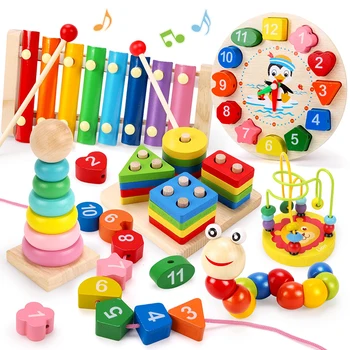
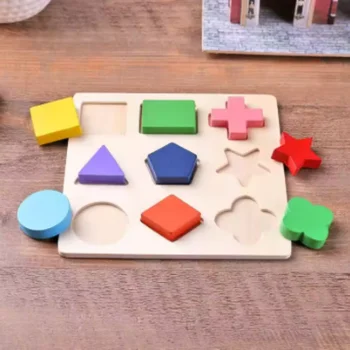
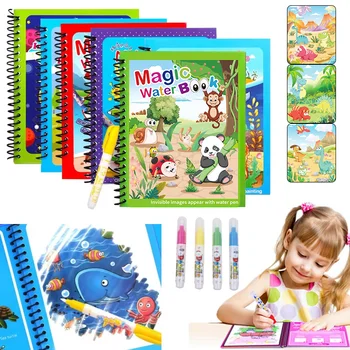
Building blocks, art supplies, dolls, action figures, puzzles, pretend play materials, and construction toys can be used in many different ways. These types of activities encourage children to create their own stories, games, and challenges.
Because there is no single correct way to use them, children stay engaged longer and develop stronger problem-solving skills.
Open-ended play often leads to deeper concentration and more imaginative experiences.
Resist the Urge to Direct Every Activity
Parents naturally want to help, teach, and participate in their children’s play. While involvement is important, too much direction can sometimes limit independent thinking.
If a child asks for help immediately, consider encouraging them to try first before stepping in. Simple responses like “What do you think you could do?” or “Can you think of another way?” help children practice problem-solving.
Allowing children to make decisions and experiment with their own ideas builds confidence and resilience.
Supporting play without taking control creates opportunities for growth.
Encourage Creativity and Imagination
Imaginative play is one of the easiest ways to promote independent engagement.
Children who enjoy creating stories, pretending, building worlds, or acting out adventures often become deeply absorbed in play. These experiences help them practice creative thinking while staying entertained without outside direction.
Providing simple materials such as costumes, building toys, art supplies, or even cardboard boxes can spark hours of imaginative exploration.
Sometimes the simplest materials inspire the most creative ideas.
Establish Predictable Play Routines
Children often respond well to routines. Scheduling regular independent play periods can help make self-directed play a normal part of the day.
When children know what to expect, they are more likely to settle into activities without resistance. Over time, these routines help build focus and make independent play feel natural rather than unusual.
A predictable routine also helps parents create dedicated time for household tasks, work, or personal responsibilities.
The consistency benefits everyone in the family.
Celebrate Effort and Independence
Positive reinforcement can help children feel proud of their ability to play independently.
Rather than focusing only on what they create, acknowledge the effort they put into exploring, building, imagining, or solving problems on their own.
Comments such as “You worked really hard on that” or “I love how you figured that out yourself” help reinforce confidence and encourage future independence.
Children are more likely to continue practicing skills when they feel successful and supported.
Be Patient With the Process
Every child develops independent play skills at their own pace. Some children naturally enjoy solo activities, while others prefer constant interaction.
It’s important to remain patient and avoid comparing your child to others. Building confidence and focus takes time, and small improvements often lead to significant long-term growth.
The goal isn’t perfect independence. The goal is helping children gradually become comfortable exploring, creating, and learning on their own.
With encouragement and consistency, independent play becomes easier and more rewarding over time.
Final Thoughts: Helping Kids Build Confidence Through Play
Independent play is about much more than keeping children occupied. It helps build confidence, focus, creativity, problem-solving skills, and self-motivation.
By creating a supportive environment, offering open-ended activities, and allowing children the freedom to explore their own ideas, parents can help foster valuable skills that extend far beyond childhood.
The most successful independent play experiences often begin with small steps and grow naturally as children develop confidence in their abilities.
When children learn how to direct their own play, they discover something powerful—the ability to create, explore, and learn independently.
What strategies have helped encourage independent play in your home? Share your experiences and ideas with other parents! 🌟🧸



0 Comments