
Play is often seen as something lighthearted or simply a way for children to pass time, but in reality, it is one of the most important building blocks of early childhood development. Through play, children are not just having fun—they are learning how to think, move, communicate, and understand the world around them.
In the early years of life, the brain develops at an incredibly rapid pace. Experiences during this time shape cognitive abilities, emotional awareness, social skills, and physical coordination. Play provides the natural environment where all of these areas come together in a meaningful and engaging way.
Understanding the role of play helps parents, caregivers, and educators support healthier development and create environments where children can thrive.
Play as the Foundation of Learning
Children learn best through experience, and play is one of the most effective forms of hands-on learning. Unlike structured instruction, play allows children to explore at their own pace, make choices, and experiment without fear of failure.
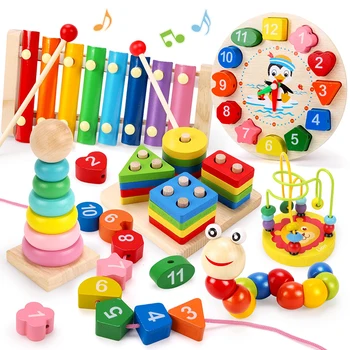
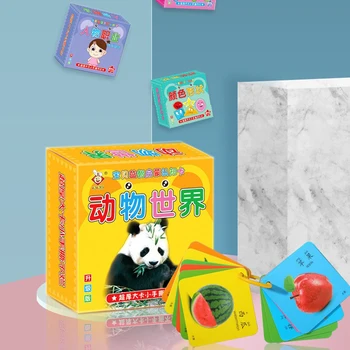
This freedom encourages curiosity and helps children develop a natural love for learning. Whether they are stacking blocks, pretending to cook, or playing with toys, they are constantly observing, testing, and adjusting their understanding of how things work.
Play also helps children connect new information with real-world experiences, making learning more meaningful and long-lasting.
Developing Creativity Through Imaginative Play
One of the most powerful benefits of play is its ability to spark creativity. Imaginative or pretend play allows children to create stories, roles, and scenarios using their imagination.
When a child pretends a box is a spaceship or a doll is a real person, they are developing creative thinking skills. They learn how to think beyond literal meanings and explore different possibilities.
This type of play also encourages flexible thinking, which is an important skill for problem-solving later in life. Children who engage in imaginative play regularly often become more comfortable with new ideas and adaptable thinking patterns.
Building Motor Skills Through Physical Play
Physical play is essential for developing both fine and gross motor skills. Running, jumping, climbing, and balancing help strengthen large muscle groups and improve coordination. These activities are crucial for overall physical development and health.
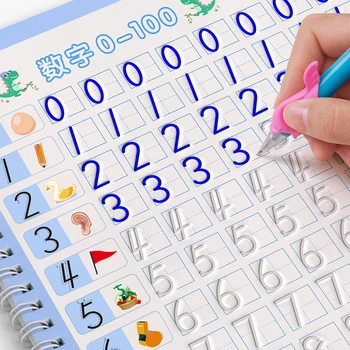
Fine motor skills are developed through activities that involve smaller movements, such as drawing, building with blocks, or manipulating small objects. These skills are important for tasks like writing, buttoning clothes, and using tools.
Through repeated physical play, children improve their coordination, balance, and control over their movements, laying the foundation for more complex physical activities later in life.
Strengthening Problem-Solving Abilities
Play naturally presents challenges that require children to think critically and solve problems. Whether it’s figuring out how to complete a puzzle, build a stable structure, or resolve a disagreement during group play, children are constantly engaging their problem-solving skills.
These experiences teach children how to test ideas, learn from mistakes, and try again. They begin to understand cause and effect, recognize patterns, and develop logical thinking.
Over time, this builds confidence in their ability to handle challenges independently, which is a valuable skill that extends far beyond childhood.
Emotional Development Through Play
Play also plays a major role in emotional growth. It gives children a safe space to express feelings, explore different emotions, and learn how to manage them.
Through role-playing and social interaction, children begin to understand empathy by seeing situations from different perspectives. They learn how to share, take turns, and work through conflicts with others.
Play can also help children process emotions they may not yet fully understand or have the words to express. This emotional expression is an important step in developing emotional intelligence and resilience.
Social Skills and Communication
When children play together, they learn how to communicate effectively. They practice listening, expressing their thoughts, negotiating roles, and cooperating toward shared goals.
These early social interactions help children develop confidence in communicating with others. They also learn important social rules, such as respect, patience, and teamwork.
Group play provides opportunities to build friendships and understand social dynamics, which are essential skills for later life in school and beyond.
The Role of Unstructured Play
While structured activities have their place, unstructured play is especially important for development. This type of play is guided by the child rather than an adult and allows for more creativity and independence.
Unstructured play encourages decision-making, imagination, and self-direction. Children learn how to entertain themselves, solve problems without guidance, and explore their interests freely.
This independence helps build confidence and self-motivation, which are key traits for lifelong learning.
Balancing Play in a Modern World
In today’s world, children often have access to screens, structured schedules, and organized activities. While these can be beneficial, it is important not to overlook the value of simple, open-ended play.
Time spent playing freely—whether indoors or outdoors—remains one of the most effective ways for children to develop essential life skills.
Encouraging a healthy balance between structured learning and free play helps ensure that children grow in all areas of development.
Final Thoughts: Play Is Serious Learning
Although it may look simple on the surface, play is a powerful tool for growth and development in early childhood. It supports creativity, strengthens motor skills, builds problem-solving abilities, and nurtures emotional and social development.
Through play, children learn not only about the world around them but also about themselves. They discover how to think, how to move, how to interact with others, and how to navigate challenges.
In many ways, play is not separate from learning—it is learning in its most natural and effective form.
How do you think children benefit most from play—creativity, social skills, or problem-solving? 🎨🧠


0 Comments